11 October 2020
In
Uncategorized
Don’t “wait and see”
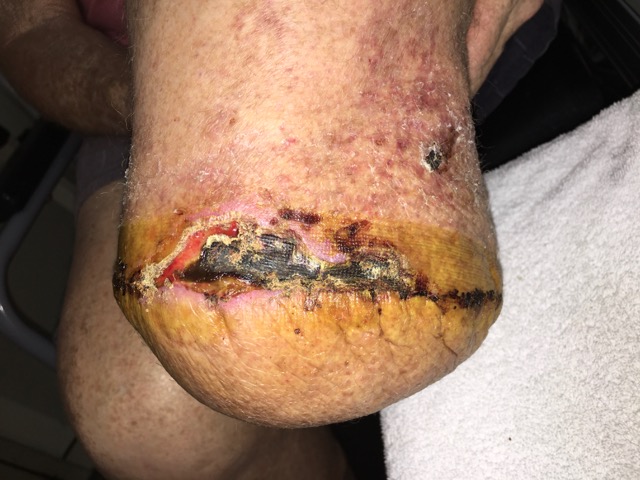
Sometimes clinicians treat patients with wounds for many weeks hoping that the challenged individual will find a way to get better



Sometimes clinicians treat patients with wounds for many weeks hoping that the challenged individual will find a way to get better
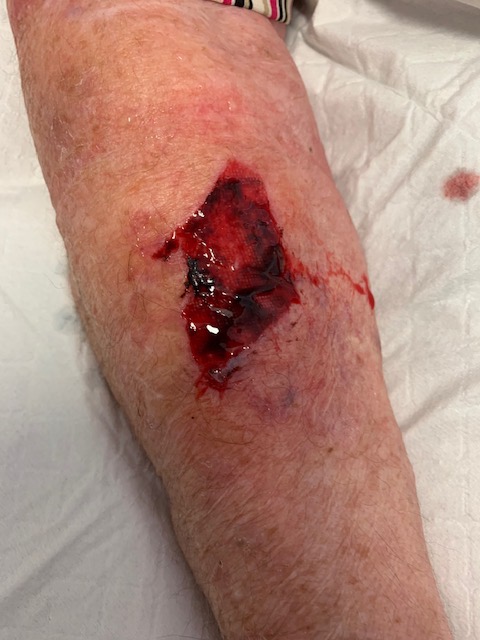
Our colleagues at the NHS have developed an excellent Pathway to appropriately manage skin tears that occur below knee. https://www.rdash.nhs.uk/wp-content/uploads/2019/07/TVWCM-v1-Appx-2-Lower-Body-Skin-Tear-Pathway.pdf
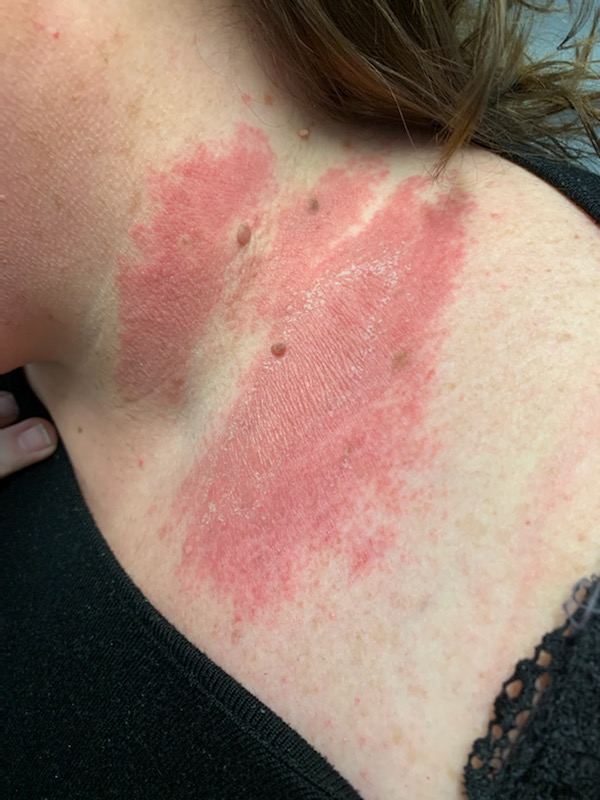
Every winter in my region there are numerous individuals who experience burns due to wood fires, hot beverages, hot water bottles and heat packs. The NSW Agency for Clinical Innovation has guidelines which discuss pathophysiology, first aid, dressing choices and ongoing management. It is a
COVID19 and its necessary social isolation has placed vulnerable people in a position that loneliness has become an ever present reality. However, people who experience chronic wounds and lymphoedema are also too well aquainted with this void in interpersonal relationships. The link below contains some tips from

Andrea Mangion is the founder of Health Education for Lymphoedema (HELP). In Part One of our interview, Andrea and I discuss

Medical and healthcare education is vital for ensuring up-to-date service delivery. Literature, on-site inservices, conferences and webinars are all valuable sources of learning. Getting the time, funding and access to obtain appropriate training is always a challenge. This is where on-line learning can provide health professionals with what
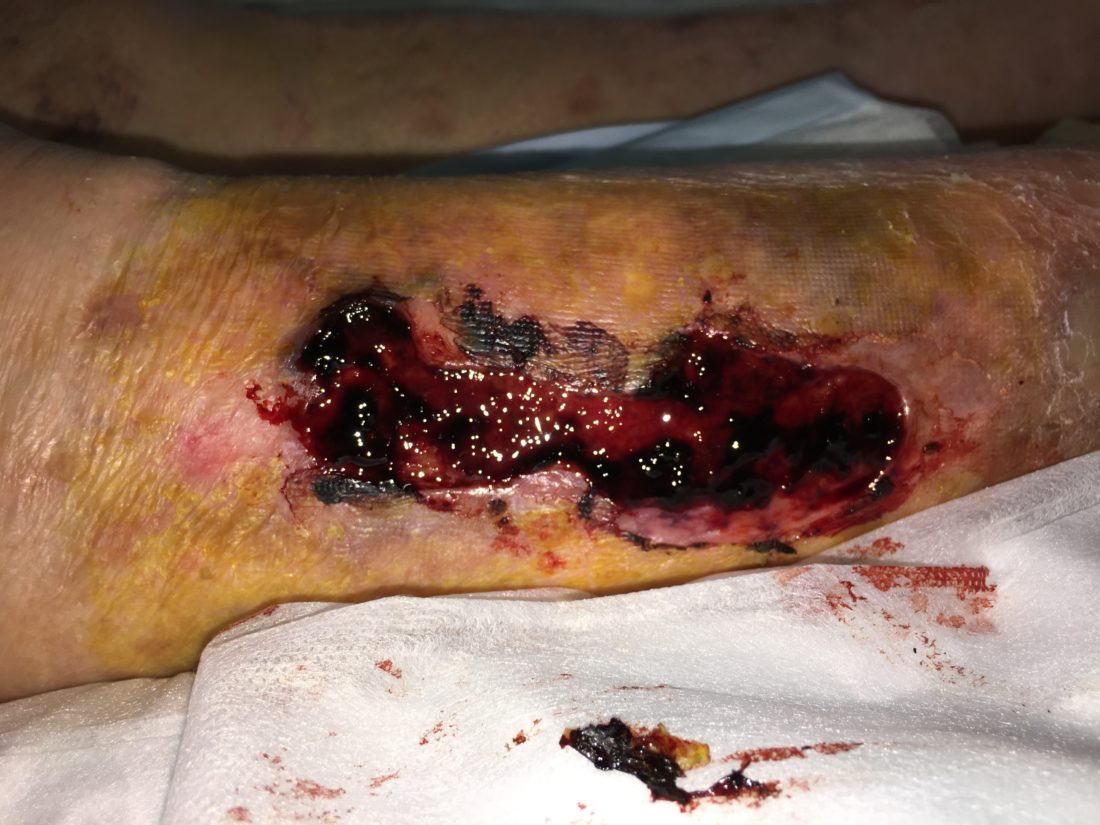
Christine Murphy and her colleagues have recently published a new international consensus document which addresses the concept of wound hygiene for hard-to-heal wounds. The presumption is that the majority of stalled wounds will contain biofilm. It is suggested that disrupting biofilms via aggressive wound cleansing
An estimated 93% of all those who are malnourished or at risk of malnutrition in the UK are living in the community. Most of the at risk population are older people, people on low incomes, those who are socially isolated, individuals with chronic disorders and persons
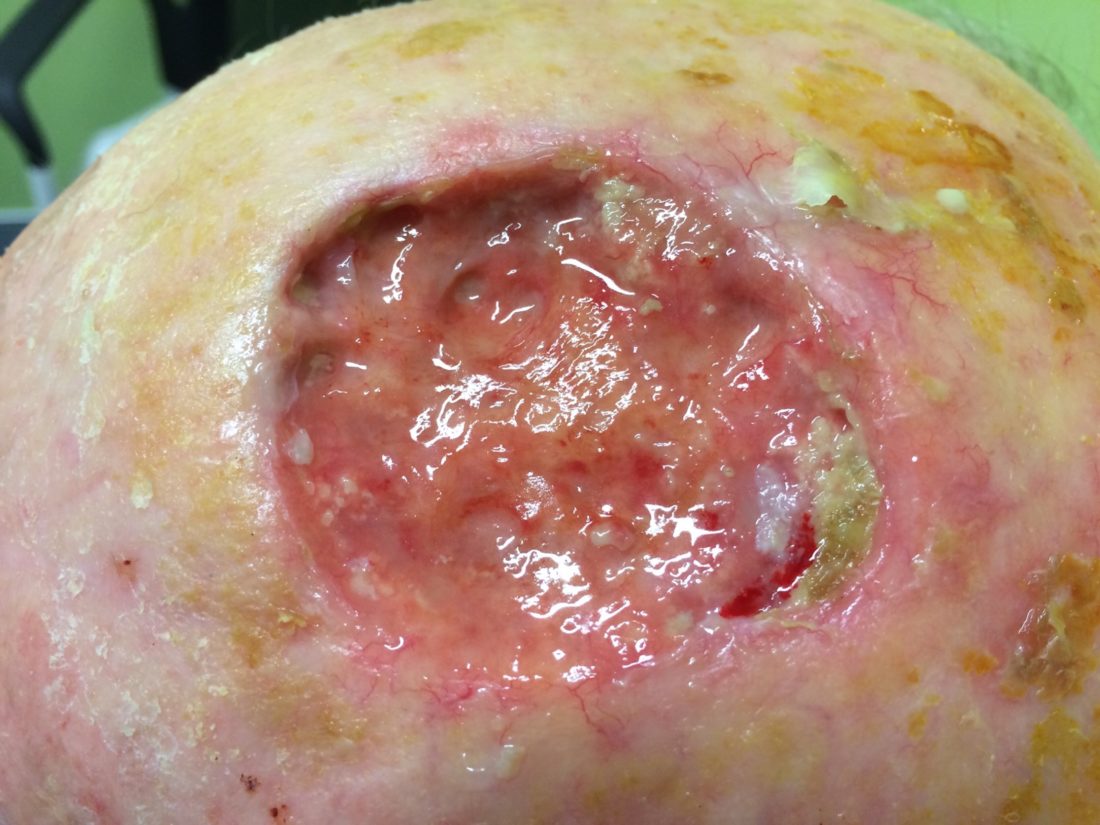
Most clinicians and patients expect their cutaneous wounds to heal - which is fine, until they don’t. Spruijt et al recently reported on complex wounds which were receiving expert care by specialist wound practitioners in Europe. The wound aetiologies treated included diabetic ulcers, osteomyelitis, wounds
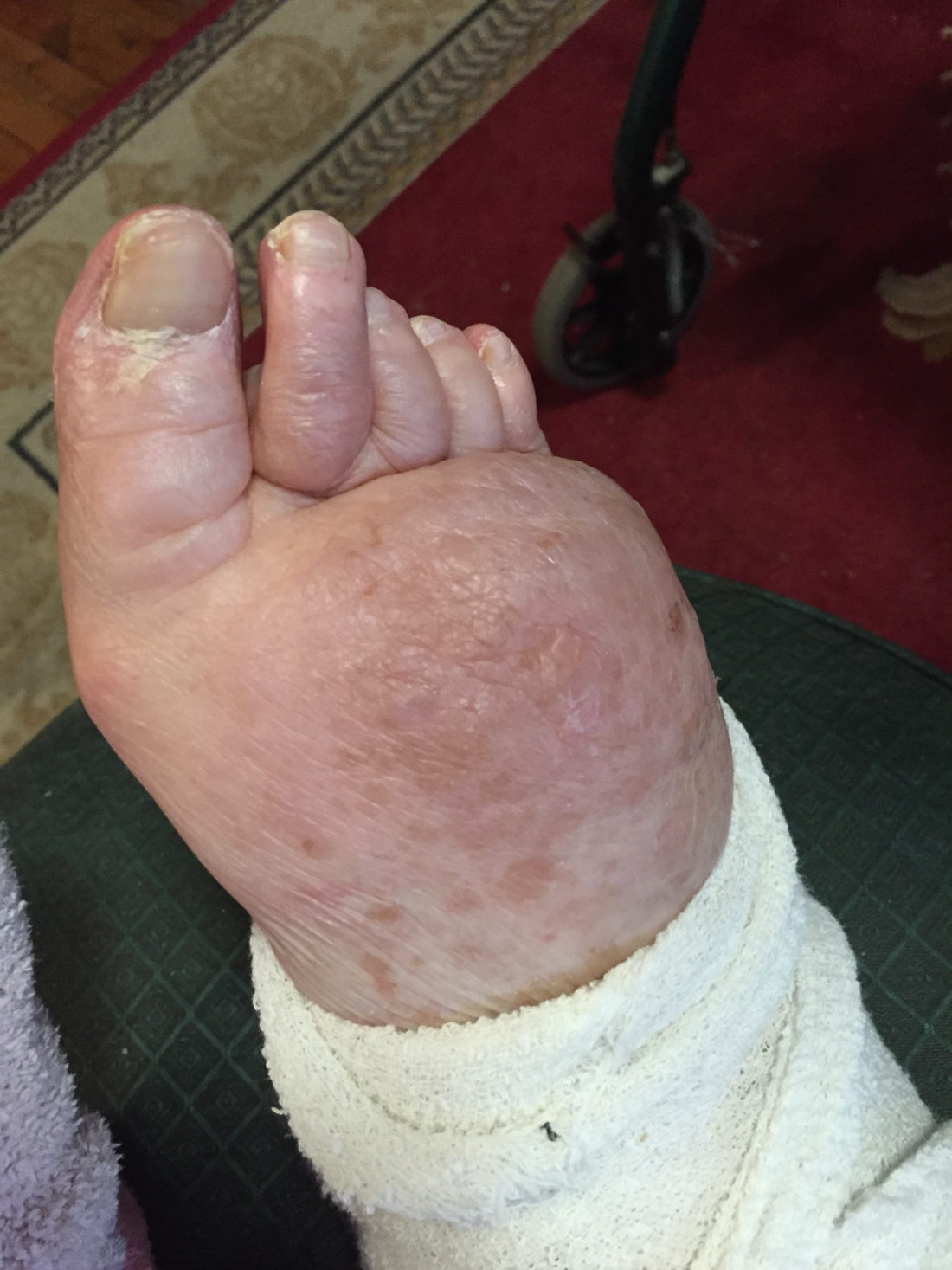
Robyn Bjork and Suzie Ehmann recently wrote a clinical guidance document on compression and the lower limb. Their document has many points of interest about oedema aetiology and the determination of appropriate therapy. Just a few highlights are : 1. “All oedema is technically lymphoedema,