12 February 2021
In
News



#healtheducation Tag
16 January 2021
In
News
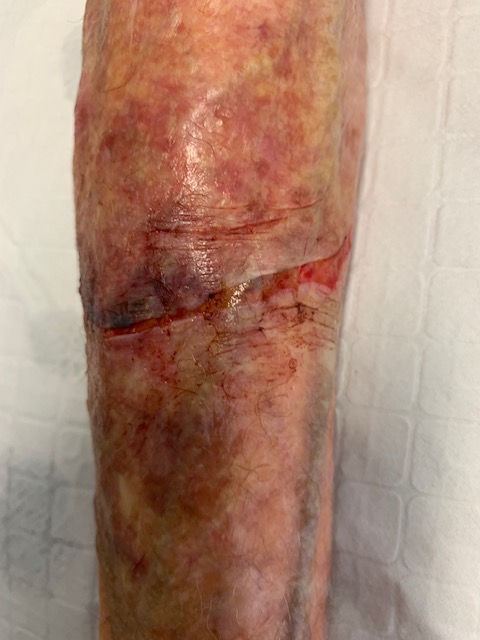
Pre-tibial skin injury and lower limb oedema
Health professionals regularly care for people who experience shin injuries and observe that the affected limb is often swollen after the trauma. Recent work mapping the lower limb lymphatic pathways has demonstrated that the anterolateral lymph vessels proceed from the lateral ankle and progress across

8 November 2020
In
News
The Leg Club Recipe Book
The brand new Leg Club Recipe Book is the result of an international collaboration of superb home cooking talent whose entire aim is to share their passion for great food whilst also supporting the actions and endeavors of the Leg Club Foundation. The Recipe Book
11 October 2020
In
Uncategorized
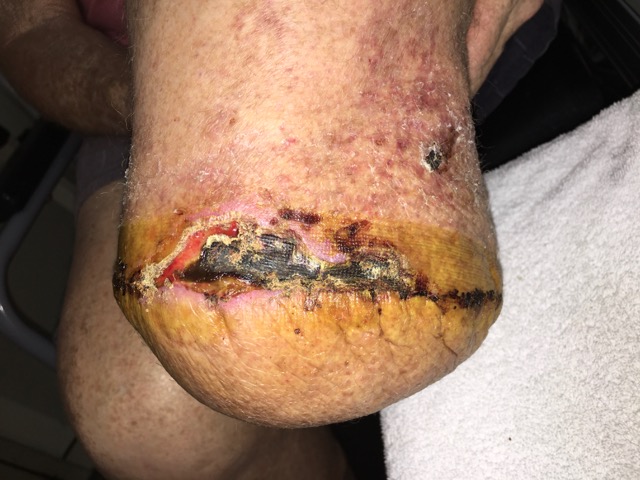
Don’t “wait and see”
Sometimes clinicians treat patients with wounds for many weeks hoping that the challenged individual will find a way to get better
5 September 2020
In
News
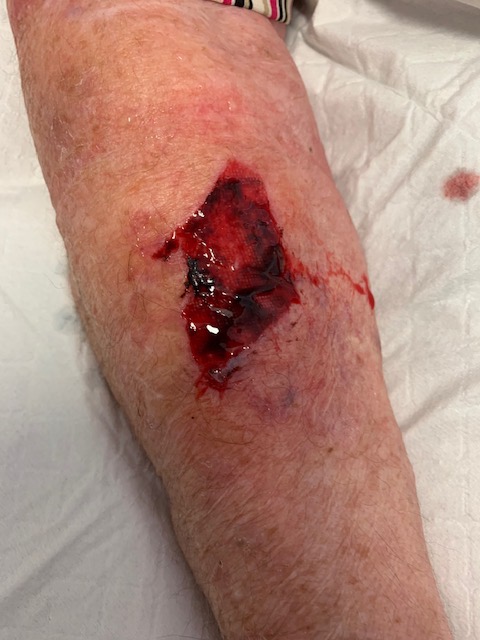
NHS Lower Leg Skin Tear Pathway
Our colleagues at the NHS have developed an excellent Pathway to appropriately manage skin tears that occur below knee. https://www.rdash.nhs.uk/wp-content/uploads/2019/07/TVWCM-v1-Appx-2-Lower-Body-Skin-Tear-Pathway.pdf
5 August 2020
In
News
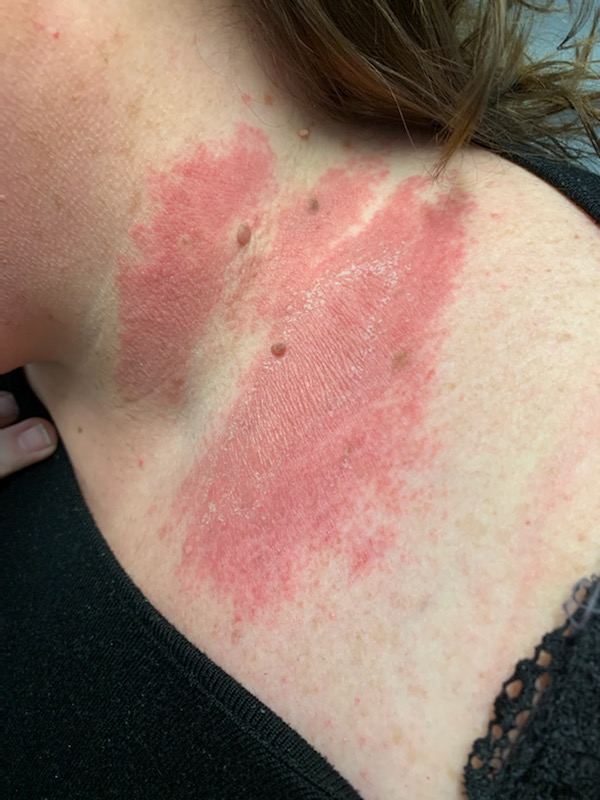
A season for burns
Every winter in my region there are numerous individuals who experience burns due to wood fires, hot beverages, hot water bottles and heat packs. The NSW Agency for Clinical Innovation has guidelines which discuss pathophysiology, first aid, dressing choices and ongoing management. It is a
2 June 2020
In
News, Uncategorized
Skin care, wounds and lymphorrhea in lymphoedema
Andrea Mangion is the founder of Health Education for Lymphoedema (HELP). In Part One of our interview, Andrea and I discuss

18 May 2020
In
News
Netflix of Medical Education
Medical and healthcare education is vital for ensuring up-to-date service delivery. Literature, on-site inservices, conferences and webinars are all valuable sources of learning. Getting the time, funding and access to obtain appropriate training is always a challenge. This is where on-line learning can provide health professionals with what
1 March 2020
In
News
Wound hygiene – aggressive cleansing
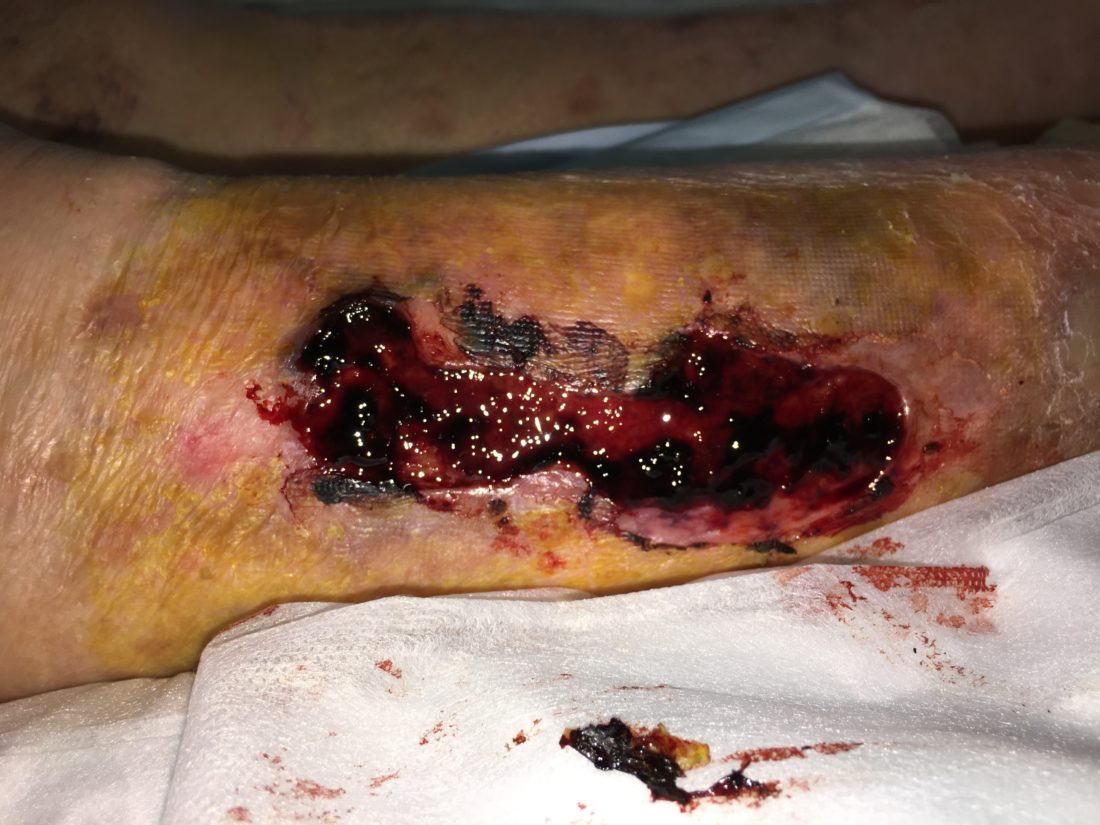
Christine Murphy and her colleagues have recently published a new international consensus document which addresses the concept of wound hygiene for hard-to-heal wounds. The presumption is that the majority of stalled wounds will contain biofilm. It is suggested that disrupting biofilms via aggressive wound cleansing
4 November 2019
In
News
Malnutrition in the community
An estimated 93% of all those who are malnourished or at risk of malnutrition in the UK are living in the community. Most of the at risk population are older people, people on low incomes, those who are socially isolated, individuals with chronic disorders and persons